As the name indicates, a submersible pump operates underwater. Simple as that may seem, there are many different functions for these types of pumps, and selecting the correct one for the task at hand is imperative.
This article will clear up some of the fog when buying a new submersible pump and the correct application.

What is a Submersible Pump and How Does it Work?
A submersible pump is an impeller-operated device that is hermetically sealed. The seal will protect the electrical circuits so that they can operate underwater.
These pumps are fueled by either air or oil and can operate in varied conditions. These conditions include liquids and sometimes solids of different viscosity.
Most often used to pump liquids back to an acceptable level, submersible pumps make use of a float switch that detects the water level and activates the motor.
This action initiates the pump sucking function and, water is pulled up and out of the cavity.

Various Uses for a Submersible Pump
The Oil Industry
Pumps are used in refineries to pump oil from ground deposits for treatment refineries.
Drainage
Submersible pumps are used to drain water after events like floods or even burst geysers in some severe cases.
Giving the user peace of mind that carrying a bucket up and down the stairs to empty a flooded basement or room, these handy devices will clear unwanted bodies of water without the user having to be present or do any manual labour.
Irrigation
In a country where crops are abundant, irrigation is integral to the success of the operation. Pumps allow the users to ensure that the land is properly irrigated for healthy plant growth.
These pumps can also be used to drain ponds or aquariums and can be implemented into rainwater harvesting systems saving the users time and money.
Wells and Boreholes
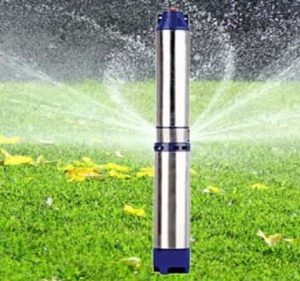
Many properties throughout the country are situated on top of boreholes with an untapped water source flowing beneath them. Submersible pumps are the ideal tools to pumps that water out for use.
Designed to withstand tougher elements, these pumps can operate at high depths and in small, cramped spaces without using too much energy.
Continued Use, Can the Pump Stay on for Extended Periods?
If there is a suitable water source, you can run the pump continually without giving it rest periods. Submersible pumps are designed to withstand harsh conditions and are robust; there is no need to switch them off repeatedly.
Should the pump start showing signs of poor performance, it is advisable to bring it up and look at what is going on. A minor service may be required when the device has been running for extended periods.
Different Types of Submersible Pumps
There are many kinds of submersible pumps. Below is a brief description of each.
Bladder Pumps
Bladder pumps use controlled air pressure to bring water to the surface. They are mostly used on wells. Disposable bladders can also be used to ensure that the air and the piqued do not mix for a cleaner result.
Grinder Pumps
A Grinder pump is employed in sewage systems and is designed to withstand raw sewage and solid waste materials. The cutting blades on the pumps will soften the materials being pumped before pumping the waste through the system.
Deep Well Pumps
The body of this kind of submersible pump is connected to a motor and can be applied to various situations. Used underwater, these devices can work with fresh or slightly acidic water.
Dry Pit Submersible Pumps
Replacing old centrifugal pumps, dry pit pumps were designed with the pump unit immersed in liquid. Most often used in dry well stations, the wet well and dry pump are housed in separate chambers.
Stainless Steel Pump
Submersing the entire body of this pump, they can withstand higher acidic liquids due to the stainless-steel pump.
Bottom Suction Pumps
Widely used in lakes, pools, and mining, the suction pump is engineered with a guide sleeve beneath the pump. Using the water as a cooling feature for the electric motor, these pumps are often employed in an expedition or emergency procedures.
Water Cooler Pumps
Applied for industrial, residential, and farmland purposes, the water cooler pump is used underwater. Freshwater is used to cool the motor of this device and, it produces high-quality water for use.
Oil-Filled Pumps
Filled with oil to cool its motor, an oil pump can be used in various harsh conditions. These conditions include extreme cold as the oil does not freeze.
Some of the most common uses for an oil pump are lifting water in wells, supplying water to agricultural properties, homes, and mountain areas.
Borehole Pumps
Centrifugal pumps that operate with a submersible motor, the borehole pump is constantly submerged in water.
Boasting a simplistic design, a borehole pump is more cost-effective and easy to use than other alternatives.
Utility Pump
Utility pumps are versatile pumps used to unclog drains, drain aquariums, or excess water. You can also use them to remove excess water from the yard.
Solid Handling Submersible Pumps
This pump can transport solid material through the system without encountering obstructions.
Material ranging from 2 – 13 inches can move through the system without blockages occurring.
Booster Pumps
Increasing the pressure of a system, this pump will raise the flow of water throughout a system. For instance, if you have low water pressure at home, this pump will alleviate that problem.
At Jordan Pumps, we offer the most comprehensive range of pumps for household or agricultural use. Offering domestic, commercial, and even solar pumps, we go the extra mile to ensure that you get the right pump for the correct application.
Our leading team of distributors will ensure that you receive your delivery on time and intact, without any delays. For more information on what we have to offer, contact Jordan Pumps today.